Hairline Cracks in Walls Getting Bigger
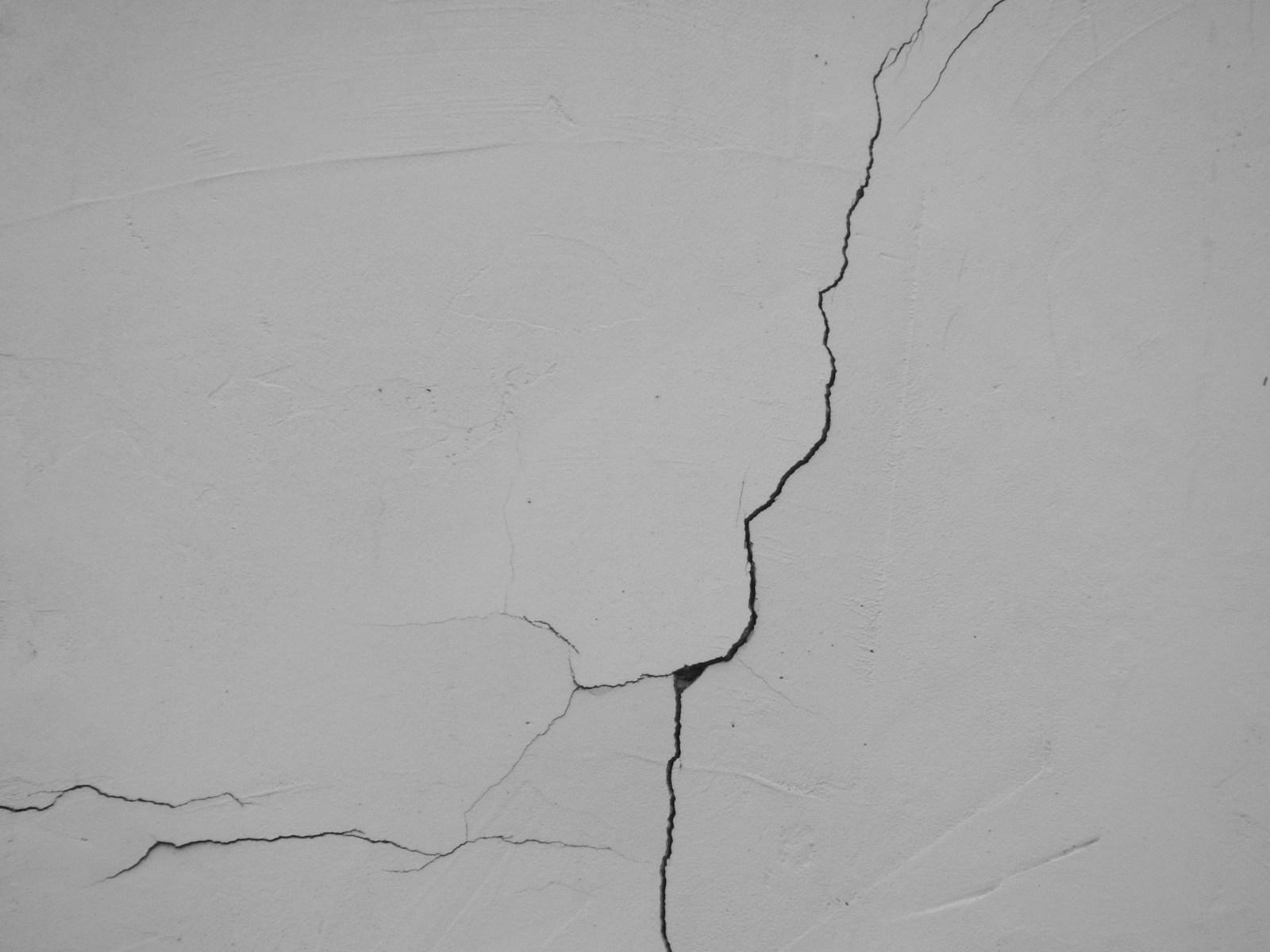
Those thin cracks barely visible six months ago now look distinctly wider. Whether you’re in Preston, Lancaster, or anywhere across Lancashire, watching hairline cracks gradually expand triggers understandable concern about what’s happening beneath your home’s surface.
The progression from minor to major cracking reveals important information about your property’s structural health.
What Counts as Hairline
True hairline cracks measure under 1mm wide. You can barely slip a piece of paper into them. These appear in most homes as normal settling occurs and materials adjust to seasonal changes.
Cracks between 1-2mm start becoming visible from across the room. Paper slides in easily. At this width, monitoring becomes advisable even if immediate action isn’t necessary.
Beyond 3mm, you’ve left hairline territory. These cracks clearly visible from normal viewing distances demand investigation. The transition from hairline to clearly visible signals that whatever’s causing them hasn’t stabilised.
Why Hairline Cracks Expand
Initial settling creates minor cracks. New builds across Lancashire typically develop hairline cracks during their first two years as materials dry and foundations compress slightly under load. These should stabilise naturally.
Foundation movement causes progressive widening. If subsidence continues, hairline cracks expand steadily. Clay soils common around Blackburn and Burnley shrink during dry periods. This ongoing shrinkage widens existing cracks rather than creating new ones.
Temperature cycling can gradually worsen cracks. Each expansion and contraction cycle stresses crack edges. Over years, this repeated movement incrementally widens cracks that initially formed from other causes.
Moisture changes affect crack width. Cracks appear narrower in summer when materials expand, wider in winter when contraction occurs. If you’re measuring at different seasons, apparent growth might reflect normal thermal cycling rather than progressive structural damage.
Tracking Crack Growth Accurately
Photograph cracks monthly in the same lighting conditions. Use a ruler or coin for scale reference. Take shots from identical angles and distances. This consistency enables accurate comparison between images.
Create a measurement log. Record crack width at multiple points along each crack’s length. Note the date, weather conditions, and any recent events like heavy rain or drought. Patterns emerge from systematic data collection.
Mark crack ends with pencil. Tiny marks at crack tips show if cracks lengthen as well as widen. Some cracks widen without extending. Others grow in length whilst maintaining width. Each pattern suggests different underlying causes.
Install tell-tales across concerning cracks. These cost £10-15 each from builder’s merchants. They crack if the gap widens beyond their tolerance. This provides absolute proof of movement rather than relying on measurements that might include human error.
Lancashire-Specific Risk Factors
Clay soils throughout Preston and surrounding areas shrink dramatically during dry spells. Hairline cracks appearing in spring might measure 3-4mm by autumn if drought conditions persist. The clay beneath your foundations contracts, pulling foundations downward.
Former industrial sites around Blackburn often sit on made ground. Inadequately compacted backfill continues settling decades after construction. This ongoing compression widens any existing cracks progressively, though usually at slow, steady rates.
Properties near Blackpool face moisture challenges from coastal exposure. Salt-laden winds and high humidity cycles stress materials differently than inland locations. Hairline cracks from initial settling can widen as salt crystallisation within masonry exerts internal pressure.
Victorian terraces in Lancaster typically have lime mortar. This softer material accommodates movement better than modern cement mortars but also cracks more readily. Hairline cracks in lime mortar might widen simply from material deterioration rather than structural movement.
Internal vs External Crack Patterns
Hairline cracks appearing internally and externally in matching positions indicate through-wall issues. The crack affects the entire wall thickness. Progressive widening suggests ongoing structural movement requiring assessment.
Internal-only hairline cracks often relate to plaster rather than masonry. Plaster shrinks as it fully cures. These surface cracks might widen slightly during the first year but typically stabilise afterward. Chip away small areas of plaster to check if bricks beneath show cracking.
External-only hairline cracks concentrate in mortar joints or render. Weathering affects external surfaces more than protected interiors. Some widening relates to erosion rather than structural movement. Clean out crack edges to see if they’re deeper than surface level.
When to Escalate Concerns
Cracks widening from hairline to 3mm within six months need professional assessment. This rate of change suggests active problems unlikely to self-resolve. What starts as cosmetic soon becomes structural.
Multiple hairline cracks all expanding simultaneously indicate systematic problems. One widening crack might represent localised stress. Several cracks growing at similar rates point to foundation movement affecting the entire structure.
Cracks developing secondary branches signal progressive damage. A single hairline crack that spawns additional cracks suggests the underlying cause is worsening. The stress pattern is spreading through your walls.
Associated Symptoms to Monitor
Doors beginning to stick in frames accompany many expanding crack problems. As walls move, frames distort. Doors that closed perfectly now catch on latches or drag on thresholds.
Windows becoming harder to open suggest the structure has racked. Check for gaps around window frames where they’ve pulled away from surrounding masonry. These gaps often correlate with nearby expanding cracks.
Floor slopes developing near expanding cracks provide crucial evidence. Place spirit levels on floors in multiple directions. Drops exceeding 10mm over 2 metres confirm structural movement rather than simple surface cracking.
Testing if Growth Relates to Seasons
Measure cracks at the same point monthly across a full year. Note seasonal patterns. Cracks that open in winter and close in summer follow thermal movement. This cyclical pattern, whilst annoying, rarely indicates structural failure.
Compare measurements between dry and wet periods. Clay soil shrinkage during drought widens cracks. Subsequent winter rainfall causes clay to swell, partially closing cracks. Measurements during wet months showing progressive widening despite seasonal effects suggest additional problems beyond clay movement.
Static measurements over 12 months despite initial widening suggest the movement has stabilised. The crack reached its maximum width then stopped growing. This stabilisation often occurs after new builds complete initial settling.
Repair Timing Decisions
Don’t repair expanding cracks until movement stabilises. Filling cracks that immediately reopen wastes money and achieves nothing. Monitor first, repair later once tell-tales show no movement for six months.
Emergency repairs become necessary if cracks compromise weatherproofing. Wide cracks on external walls let rain penetrate. Temporary waterproof sealants prevent water damage whilst monitoring continues.
Structural repairs can’t wait for ideal timing if safety concerns arise. Engineers might recommend temporary supports if expanding cracks indicate active instability. Cosmetic appearance matters less than preventing collapse.
Professional Assessment Benefits
Structural engineers bring measuring equipment more precise than rulers. They use crack-width gauges, levels, and sometimes electronic monitoring systems. This accuracy determines if growth rates demand immediate action.
Engineers assess the full context. They don’t just measure cracks. They evaluate foundation depths, soil conditions, drainage, nearby trees, and load paths through structures. This comprehensive approach identifies root causes.
Written reports provide essential documentation. Insurance claims require professional evidence. Future buyers need assurance that monitoring occurred properly. Engineers’ reports satisfy these requirements whilst homeowners’ photographs don’t.
Cost-Effective Monitoring Strategy
Buy proper crack-width gauges for £5-10 online. These plastic cards with graduated slots enable consistent accurate measurement. They’re more reliable than rulers or guessing.
Create a simple spreadsheet logging measurements. Include date, crack location, width at multiple points, weather conditions, and any observations. This organised data reveals patterns that ad-hoc notes miss.
Take systematic photographs every month on the same date. Set phone reminders. Consistent timing eliminates confusion about when measurements occurred. Regular monitoring beats occasional panic-driven measurements.
Invest £30-50 in tell-tales for the most concerning cracks. Professional monitoring tools provide definitive answers about crack activity. This small cost delivers valuable peace of mind or clear evidence justifying professional assessment.