Subsidence After Leak Under Floor
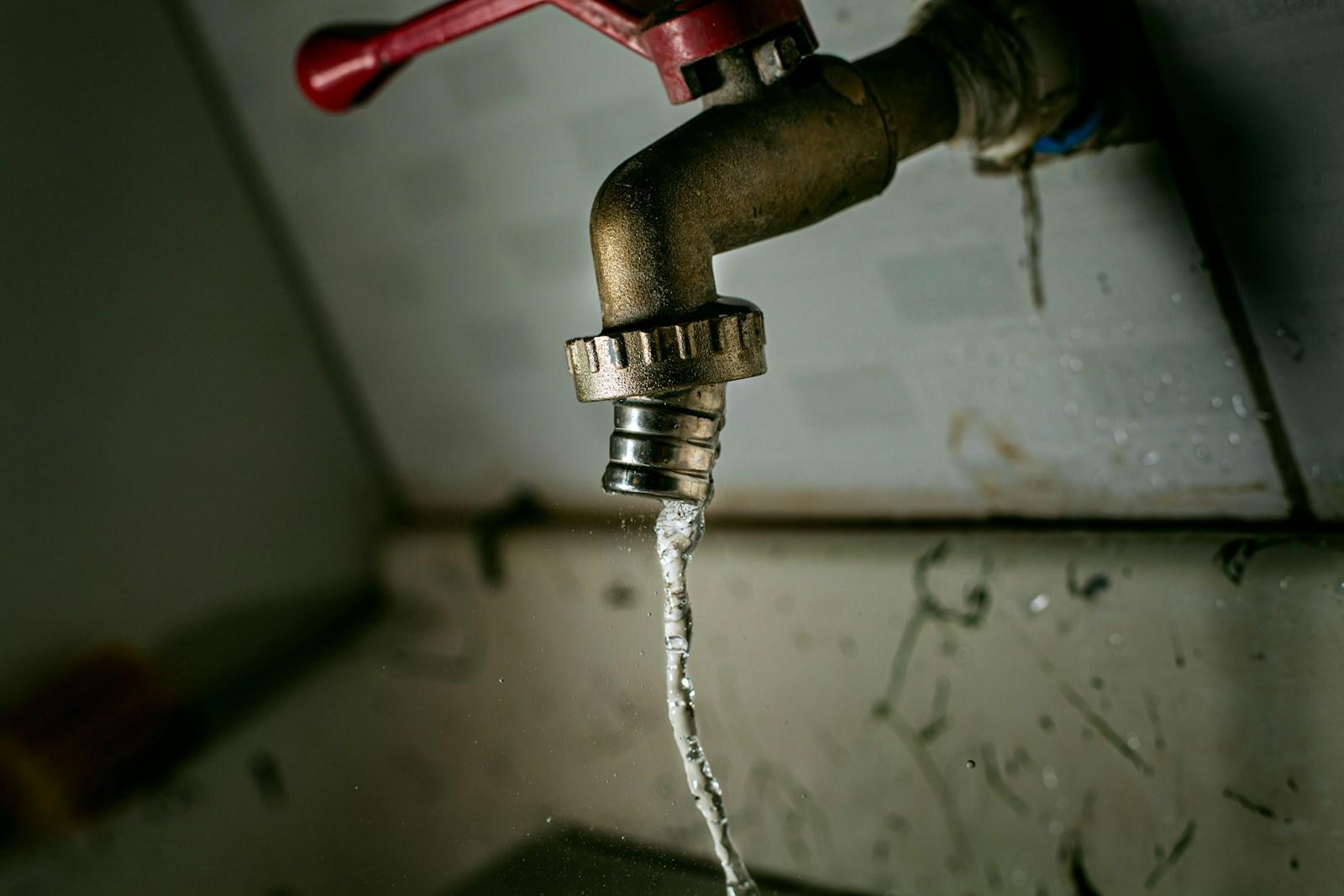
Water leaking beneath your floor creates perfect conditions for subsidence. The leak might be small, but over months or years it can remove tonnes of soil supporting your foundations. By the time you discover the leak, significant damage might already exist.
Understanding how leaks cause subsidence helps you recognise warning signs and act quickly to limit harm.
How Leaks Trigger Subsidence
Water under pressure escapes from damaged pipes with surprising force. A pinhole leak in a pressurised pipe jets water into surrounding soil continuously. This hydraulic action lifts and moves soil particles, washing them away from foundation areas.
Sandy or granular soils erode rapidly. Water creates channels through the soil, carrying particles away. These channels expand over time, creating voids beneath foundations. Eventually, foundations lose support and drop into the void.
Clay soils react differently but suffer similar outcomes. Excessive moisture causes clay to soften and lose bearing capacity. Foundations sink into the weakened clay. When leaks finally stop and soil dries, it contracts further, worsening settlement.
Common Leak Sources Under Floors
Central heating pipes run beneath many floors. These copper pipes corrode over decades, particularly at joints and where pipes contact concrete. A small leak from a heating pipe can run undetected for years since heating systems only pressurise seasonally.
Water supply pipes serve bathrooms and kitchens. These pipes carry constant pressure. Even minor damage creates persistent leaks. Blue or green staining on brickwork outside sometimes reveals hidden water supply leaks.
Waste pipes and drains carry sewage from your property to the main sewer. These pipes don’t carry pressure, so leaks occur only when water flows through them. Drainage issues develop slowly as pipes crack or joints fail.
Warning Signs Before Cracks Appear
Water bills increasing without explanation suggest hidden leaks. Compare usage month-by-month. A persistent rise without increased consumption indicates water escaping somewhere in your system.
Water metre continues spinning when all taps are closed. Turn off every water outlet in your home. Check the metre after 30 minutes. Movement confirms a leak exists somewhere between the metre and your outlets.
Damp spots appearing on floors hint at problems below. Unexplained moisture on ground floor surfaces, particularly if persistent and not related to spills, suggests underfloor leaks.
Sound of running water when pipes should be silent requires investigation. Place your ear against floors and walls. Hissing or trickling sounds indicate active leaks within concealed pipework.
How Subsidence Manifests Post-Leak
Diagonal cracks appear near the leak source first. The foundation closest to soil loss drops first, pulling walls down with it. Cracks radiate from the affected area, widening as movement progresses.
Floors develop noticeable slopes toward the settled area. Use a spirit level to check. Drops of 10mm or more over 2-metre spans indicate significant settlement. The floor might feel uneven underfoot.
Doors and windows stick as frames distort. Settlement pulls the building structure out of square. Previously well-fitted doors suddenly catch on frames. Windows become difficult to open as frames rack under stress.
External ground level might drop near the affected wall. Soil washed away underground sometimes creates visible depressions at ground level. Paving slabs might crack or tilt toward the problem area.
Timeline from Leak to Damage
Initial erosion happens invisibly. For the first months, water washes away soil without causing observable movement. Foundations continue to bear on remaining soil. You notice nothing wrong.
Foundation support becomes marginal. Enough soil has eroded that foundations rest on reduced bearing area. Small cracks might appear, but look insignificant. The situation remains stable but precarious.
Trigger failure occurs suddenly. The remaining soil can no longer support the load. Foundations drop rapidly into the void created by erosion. Dramatic cracking appears seemingly overnight, though the underlying cause developed over months or years.
Post-failure stabilisation sees damage plateau once foundations find new support. Cracks stop expanding once settlement completes. The building reaches a new equilibrium, though at a lower level than original construction.
Immediate Actions Upon Discovery
Stop the leak immediately. Turn off water supplies if needed. Contact emergency plumbers if the leak is active. Every hour of continued leakage removes more soil and increases eventual repair costs.
Document everything with photographs. Capture the leak source, visible damage, and crack patterns. Date all images. This documentation proves essential for insurance claims and guides repair strategies.
Contact your insurer without delay. Most policies require prompt notification of potential subsidence. Delays can jeopardise coverage. Explain that you’ve discovered a leak and subsidence symptoms have appeared.
Why Some Leaks Cause More Damage
Pressurised leaks erode soil faster than drainage leaks. Water supply and heating pipes carry pressure even when taps are closed. These continuous leaks work constantly. Drainage pipes only leak during actual water usage.
Leak location relative to foundations determines damage severity. A leak directly beneath a foundation removes critical support. Leaks several metres away might affect adjacent properties more than your own.
Soil type governs erosion speed. Sands and gravels wash away in weeks or months. Clay soils take longer to erode but suffer from weakening when saturated. Rock or hardstanding beneath foundations prevents erosion regardless of leaks.
Foundation design provides varying resilience. Deep trenchfill foundations resist minor erosion better than shallow strip footings. Reinforced foundations bridge small voids. Unreinforced masonry foundations crack and fail when support disappears.
Insurance Coverage Considerations
Subsidence policies typically cover leak-related subsidence. The cause doesn’t matter if subsidence has occurred. Insurers pay for underpinning or other structural repairs needed.
Fixing the leak itself might not be covered. Trace and access coverage varies between policies. Some insurers pay to locate hidden leaks and reinstate finishes afterward. Others expect you to pay for leak repairs whilst they cover only subsidence consequences.
Read policy wording carefully regarding drainage. Some policies exclude damage from gradual leaks or maintenance failures. They cover sudden catastrophic failure but not slow deterioration from neglected pipes.
Betterment clauses limit repairs to original specifications. If replacing 50-year-old pipes as part of repairs, insurers might pay only the depreciated value of old pipes rather than full replacement costs.
Repair Process After Leak-Related Subsidence
Find and fix the leak first. Structural repairs can’t proceed whilst water continues eroding soil. Plumbers locate leaks using acoustic detection, thermal imaging, or pressure testing. Once found, damaged sections get replaced.
Replace eroded soil around foundations. Contractors pump grout or concrete into voids left by erosion. This restores support beneath foundations. The process continues until refusal, indicating all voids are filled.
Monitor for stability before underpinning. Many cases stabilise once leaks stop and voids get filled. Wait 6-12 months with tell-tales in place. Underpinning might prove unnecessary if no further movement occurs.
Underpin foundations if monitoring shows continued movement. This involves excavating beneath existing foundations and casting new concrete below them. Underpinning reaches deeper, more stable soil layers unaffected by the leak.
Preventing Future Leak-Related Issues
Replace ageing pipework proactively. Copper pipes last 50-70 years. Lead pipes should have been replaced decades ago but remain in some older properties. Plastic pipes offer 100+ year lifespans.
Install leak detection systems. Modern smart devices monitor flow continuously. They alert you to abnormal usage patterns suggesting hidden leaks. Installation costs £200-500 but provides peace of mind.
Check water metres regularly. Monthly metre readings reveal consumption trends. Sudden increases warrant investigation before leaks cause subsidence.
Annual drain surveys using CCTV cameras identify developing problems. Cracked drains can be relined before they fail completely. This prevention costs far less than repairing subsidence after the fact.