Wall Separating from Ceiling Gap
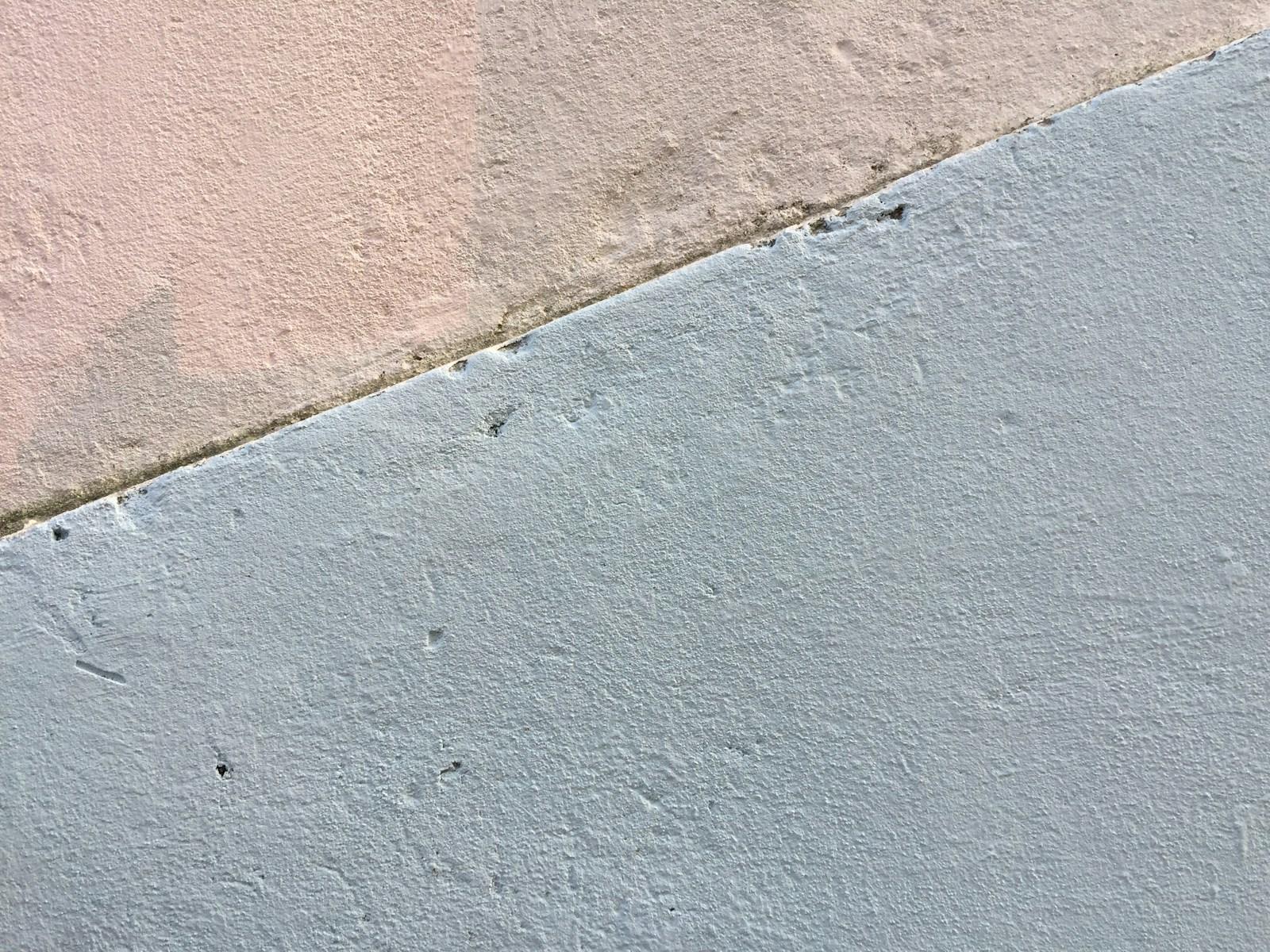
That gap between your wall and ceiling has been growing. Maybe you noticed it after decorating, or perhaps it appeared seemingly overnight. Either way, you’re left wondering whether this represents a serious structural defect or just another quirk of owning a home.
The answer depends on several factors, but gaps wider than 5mm always warrant investigation.
Why Gaps Form Between Walls and Ceilings
Timber movement causes many ceiling gaps. Joists supporting your ceiling expand and contract with moisture and temperature changes. As they move, the ceiling can separate slightly from the wall, particularly if the plasterer didn’t use scrim tape to reinforce the joint.
Roof spread pushes walls outward at the top. When roof timbers lack adequate bracing or tie beams, the weight of the roof forces the walls apart. This movement manifests as gaps where walls meet ceilings, often accompanied by cracks in upper corners.
Foundation settlement pulls walls down and away from static ceilings. If your foundations drop whilst the floor above remains supported by internal walls, external walls separate from the ceiling structure. This type of gap widens progressively over time.
Measuring the Gap Properly
Check the gap at multiple points along the wall. Inconsistent widths suggest movement rather than poor workmanship. A gap that’s 2mm at one end and 10mm at the other indicates ongoing structural changes.
Push gently against the wall below the gap. Solid resistance means the wall remains structurally sound. Any flex or movement suggests the wall has partially detached from the ceiling structure.
Look for corresponding cracks in the ceiling itself. Cracks radiating from the gap point to structural stress. Random crazing in old plaster without associated cracks typically relates to ageing materials rather than movement.
Location Tells the Story
Gaps on external walls only suggest roof spread or external wall movement. Internal walls remain unaffected because they’re tied into the floor structure above. This pattern helps surveyors identify the problem source.
Gaps running the full length of a wall indicate systematic movement. Short gaps confined to corners might just be shoddy plastering or normal settling. Long, continuous gaps spanning 2-3 metres need professional assessment.
Upper floor gaps prove more concerning than ground floor gaps. Ground floor ceiling separations might relate to first-floor movement, but upper floor gaps suggest roof structure problems that could worsen rapidly.
Associated Warning Signs
Doors sticking in frames accompany many ceiling gaps. As walls move, frames become misaligned. Doors that previously closed perfectly now catch on the latch side or drag along the bottom.
Windows becoming difficult to open indicate walls have moved. Check if gaps have appeared around window frames. This combination of ceiling gaps and window problems strongly suggests structural movement.
Sloping floors near the affected wall provide additional evidence. Place a spirit level on the floor at various points. Drops of more than 10mm over a 2-metre span confirm structural settlement.
Materials Impact Severity
Solid masonry homes show different symptoms than timber frame properties. Masonry walls crack rather than bow. Timber frames can flex without visible cracking but might separate at joints instead.
Plasterboard ceilings hide problems better than lath and plaster. Old lath and plaster shows every minor movement through cracking. Plasterboard remains intact longer but when it fails, the damage appears more dramatically.
Homes with suspended timber ground floors experience different movement patterns than concrete slab properties. Timber floor structures can shift independently of walls, creating gaps that look alarming but represent minimal structural risk.
Quick Tests You Can Perform
Slip a piece of paper into the gap. Mark how far it inserts before meeting resistance. Repeat this test monthly in the same location. Increasing penetration depth indicates widening gaps.
Check the loft space above the gap. Look for cracked or split rafters, inadequate bracing, or missing collar ties. Many ceiling gaps relate to roof structure defects visible from above.
Inspect external walls directly below internal gaps. Bulging, leaning, or cracked brickwork outside confirms the internal symptoms relate to significant structural movement.
When Professional Assessment Becomes Essential
Gaps exceeding 10mm need immediate inspection. At this width, structural integrity questions arise. The building might remain safe, but you need professional confirmation before the gap widens further.
Rapidly growing gaps indicate active movement. A gap that expands from 3mm to 8mm within six months suggests ongoing problems that won’t self-resolve. Quick action prevents small issues becoming expensive emergencies.
Multiple gaps appearing simultaneously signal systematic problems. One gap might be coincidence. Three or four gaps appearing across different rooms point to foundation issues, roof spread, or similar structural causes requiring expert diagnosis.
Insurance and Documentation
Photograph gaps from multiple angles with a ruler showing scale. Include wide shots showing the whole wall and close-ups of the gap itself. Date all images. This documentation becomes crucial if you need to claim on insurance or pursue builders for defects.
Subsidence policies cover foundation movement causing ceiling gaps. Roof spread isn’t usually covered under subsidence clauses. Check your policy wording carefully before assuming coverage.
Some insurers require monitoring before authorising expensive investigations. They might instruct you to install tell-tales and photograph gaps monthly for 3-6 months. Cooperate fully with these requests to maintain coverage.