Heave vs Subsidence Difference
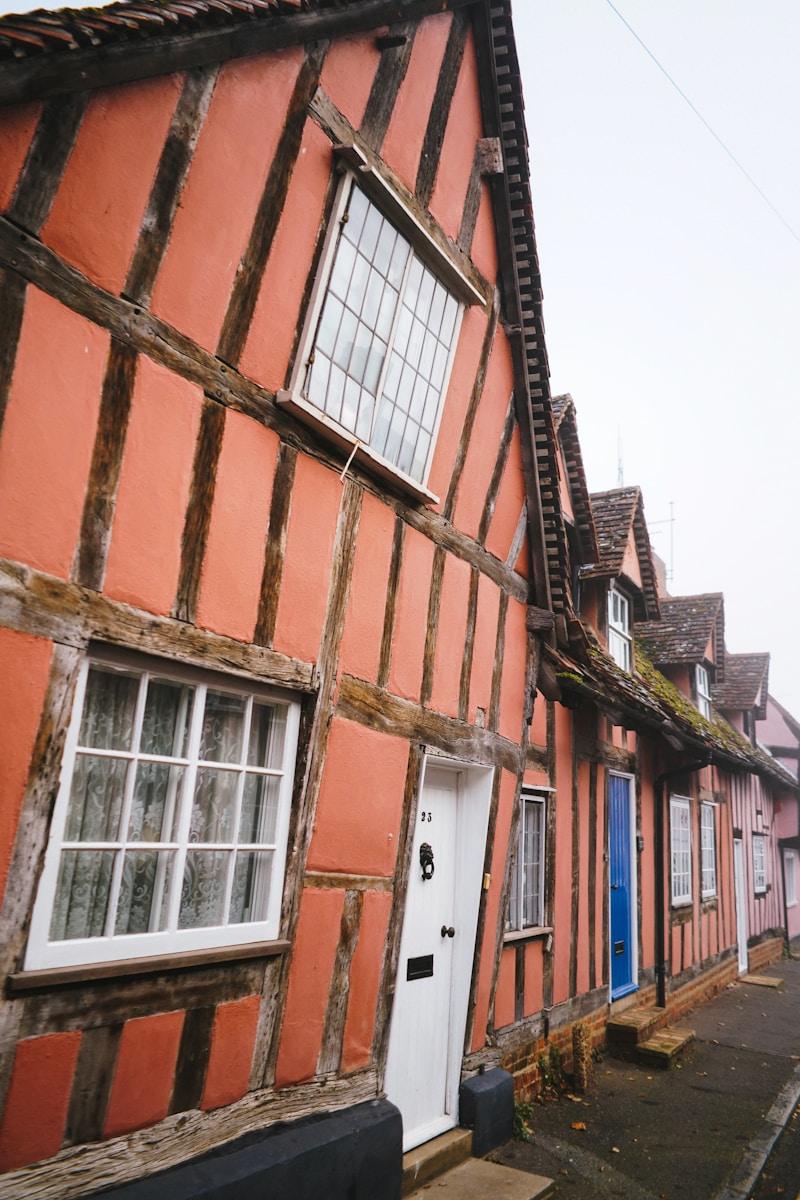
Your foundations have moved. But have they gone up or down? Whether you’re in Preston, Blackburn, or anywhere across Lancashire, understanding the difference between heave and subsidence helps you identify the cause and pursue appropriate repairs.
The direction matters more than you might think.
Defining Subsidence
Subsidence means foundations sink downward. Ground beneath foundations loses bearing capacity or voids develop. Foundations drop into these spaces. The building settles lower than its original construction level.
Clay shrinkage causes most subsidence. Tree roots extract moisture from clay during growing seasons. The clay contracts, creating voids. Foundations drop into these voids. This process accelerates during drought.
Drain leaks wash away supporting soil. Water jets from damaged pipes, eroding material beneath foundations. Soil gradually removes over months or years. Foundations eventually drop once enough support disappears.
Poor ground preparation creates delayed subsidence. Inadequately compacted fill continues settling decades after construction. Buildings slowly sink as ground beneath them compresses.
Defining Heave
Heave means foundations lift upward. Ground beneath foundations expands, pushing structures higher than original construction levels. This upward movement creates stress patterns distinct from subsidence.
Clay swelling causes most heave. Removing mature trees allows clay to rehydrate. The moisture previously extracted by tree roots remains in the soil. Clay swells substantially, pushing foundations upward.
Frost heave affects shallow foundations in cold climates. Water in soil freezes, expanding by roughly 9%. This expansion lifts foundations. Thawing allows settlement, but repeated freeze-thaw cycles cause progressive damage.
Expansive clay minerals swell dramatically when wet. Certain clay types can expand 10-15% when fully saturated. Foundations sitting in these clays rise substantially during wet periods.
Crack Pattern Differences
Subsidence creates diagonal cracks widening downward. Cracks start narrow at tops and widen toward ground level. This tapering shows foundations have dropped, pulling upper sections downward.
Heave creates diagonal cracks widening upward. Cracks start narrow at ground level and widen toward tops. This inverted pattern indicates foundations have lifted, pushing upward through walls.
Both create stepped patterns through brickwork. The direction of tapering distinguishes them. Look carefully at which end of diagonal cracks appears widest.
Floor Behaviour Differences
Subsidence causes floors to slope downward toward settled areas. Spirit levels show drops toward external walls if perimeter foundations have subsided. Central areas remain higher if interior supports haven’t moved.
Heave causes floors to dome upward. Central areas lift higher than perimeters. This creates slopes running downward from centres toward edges. The dome pattern distinctively indicates heave rather than subsidence.
Measure floor levels systematically. Plot readings across entire rooms. The three-dimensional profile reveals whether foundations have dropped or lifted.
Door and Window Symptoms
Subsidence causes frames to drop and rack. Doors catch at tops as frames tilt. Windows become difficult to close at upper corners. The distortion pulls frames downward.
Heave pushes frames upward. Doors catch at bottoms as frames compress. Windows stick at lower corners. The compression pushes frames together from below.
Both make doors and windows difficult to operate. The specific sticking points reveal movement direction.
Lancashire-Specific Causes
Clay soils throughout Preston and surrounding areas experience both subsidence and heave. Subsidence occurs during dry periods when clay shrinks. Heave follows when clay rehydrates after tree removal or extended wet periods.
Former industrial sites around Burnley often show subsidence from compressing made ground. Heave rarely affects these sites because rubble fill doesn’t expand significantly when wet.
Properties in Lancaster near flood-prone areas might experience heave. Flooding saturates clay beneath foundations. The clay swells, lifting buildings. Foundations without adequate depth prove particularly vulnerable.
Victorian properties in Preston with shallow foundations experience both problems. Shallow depth means foundations sit within clay’s active zone. They drop during drought and lift during wet periods.
Seasonal Patterns
Subsidence worsens during summer. Clay dries and contracts. Trees extract maximum moisture during growing seasons. Foundations drop progressively through dry months.
Heave worsens during winter. Heavy rainfall saturates clay. Trees go dormant, allowing soil moisture to increase. Clay swells, pushing foundations upward through wet months.
Monitor crack widths across full annual cycles. Cracks opening in summer suggest subsidence. Cracks opening in winter indicate heave. This seasonal correlation helps identify causes.
Tree-Related Distinctions
Mature trees cause subsidence. Large root systems extract enormous moisture volumes. Clay beneath foundations desiccates and contracts. Foundations drop into the resulting voids.
Tree removal causes heave. Once trees are felled, roots die and stop extracting moisture. Clay previously kept dry by roots rehydrates. The swelling clay pushes foundations upward.
This relationship means the same tree causes opposite problems depending on whether it’s present or removed. Properties near recently removed trees should monitor for heave rather than subsidence.
Repair Approach Differences
Subsidence repairs involve underpinning. Extend foundations deeper to reach stable ground below the active zone. This prevents further dropping by anchoring foundations in soil that doesn’t shrink.
Heave repairs require different strategies. Underpinning doesn’t prevent heave because problems come from below, not inadequate depth. Solutions involve limiting moisture access to clay or installing foundations that tolerate movement.
Removing swelling clay around foundations prevents heave. Replace it with granular material that doesn’t expand when wet. This creates a stable zone around foundations unaffected by clay swelling beyond.
Flexible construction accommodates heave movement. Slip membranes between foundations and walls allow differential movement without cracking. This design approach accepts movement rather than preventing it.
Insurance Coverage Similarities
Both heave and subsidence receive coverage under standard buildings insurance. Policies typically group these together with landslip under ground movement clauses.
Excesses apply equally to both. Expect £1,000-2,500 excess regardless of whether foundations moved up or down. Some policies use percentage-based excesses reaching 10% of claim values.
Investigation costs get covered. Insurers pay for engineering assessments, trial pits, and monitoring needed to diagnose whether heave or subsidence occurred.
Mixed Movement Patterns
Some properties experience both simultaneously. One corner might subside whilst another heaves. This occurs when soil conditions vary across the building footprint.
Seasonal reversals create complex patterns. Foundations might subside in summer then heave in winter as clay alternately shrinks and swells. The cumulative damage exceeds either problem alone.
Professional assessment becomes essential with mixed movement. The interactions between subsidence and heave complicate diagnosis and repair specifications.
Structural Stress Differences
Subsidence creates tension stress in upper wall sections. Foundations drop, pulling walls downward. Upper corners experience pulling forces that create diagonal cracks.
Heave creates compression stress throughout walls. Foundations lift, pushing walls together from below. This compression can cause crushing failure in extreme cases.
Load-bearing walls handle compression better than tension. Subsidence proves more immediately dangerous because tension stress can precipitate sudden failure.
External Evidence
Subsidence causes ground to drop near walls. Paving cracks and tilts downward. Drainage gullies sit proud of surrounding ground as soil settles away beneath.
Heave causes ground to lift near walls. Paving lifts and cracks from upward pressure. Drainage connections break as pipes entering buildings experience compression from rising ground.
Inspect perimeters systematically. The external evidence often reveals movement direction more clearly than internal symptoms.
Long-Term Prognosis
Subsidence can be arrested. Fix leaking drains, remove problematic trees, or underpin foundations. These interventions stop further movement permanently if root causes are addressed.
Heave proves harder to control. Clay beneath foundations continues responding to moisture changes. Complete moisture control is nearly impossible. Some degree of ongoing movement might continue despite repairs.
Properties in clay-rich areas across Lancashire face ongoing vulnerability. Both subsidence and heave represent permanent risks requiring vigilant maintenance and monitoring.
Professional Diagnosis Methods
Structural engineers assess crack patterns and orientations. The tapering direction provides crucial diagnostic information. They measure levels throughout properties to determine if floors have dropped or lifted.
Trial pits reveal foundation movement direction. Excavations show if foundations sit higher or lower than construction depth. Original damp-proof course levels provide reference points indicating movement direction.
Soil testing identifies clay mineralogy and swelling potential. Some clays expand dramatically when wet. Others shrink substantially when dry. The specific clay type present influences whether subsidence or heave poses greater risk.
Taking Appropriate Action
Document symptoms carefully. Photograph cracks showing their widest points. Note whether frames stick at tops or bottoms. Measure floor slopes indicating drops or domes.
Monitor across full annual cycles. Seasonal patterns reveal whether summer drought or winter moisture drives the problem. This timing indicates subsidence or heave respectively.
Commission structural engineering assessment for movements exceeding 10mm. The modest cost of professional diagnosis prevents expensive mistakes from treating heave as subsidence or vice versa.
Address root causes appropriately. Subsidence needs underpinning or drain repairs. Heave requires moisture control or flexible construction. The correct intervention depends entirely on accurate diagnosis.