Movement Crack or Subsidence
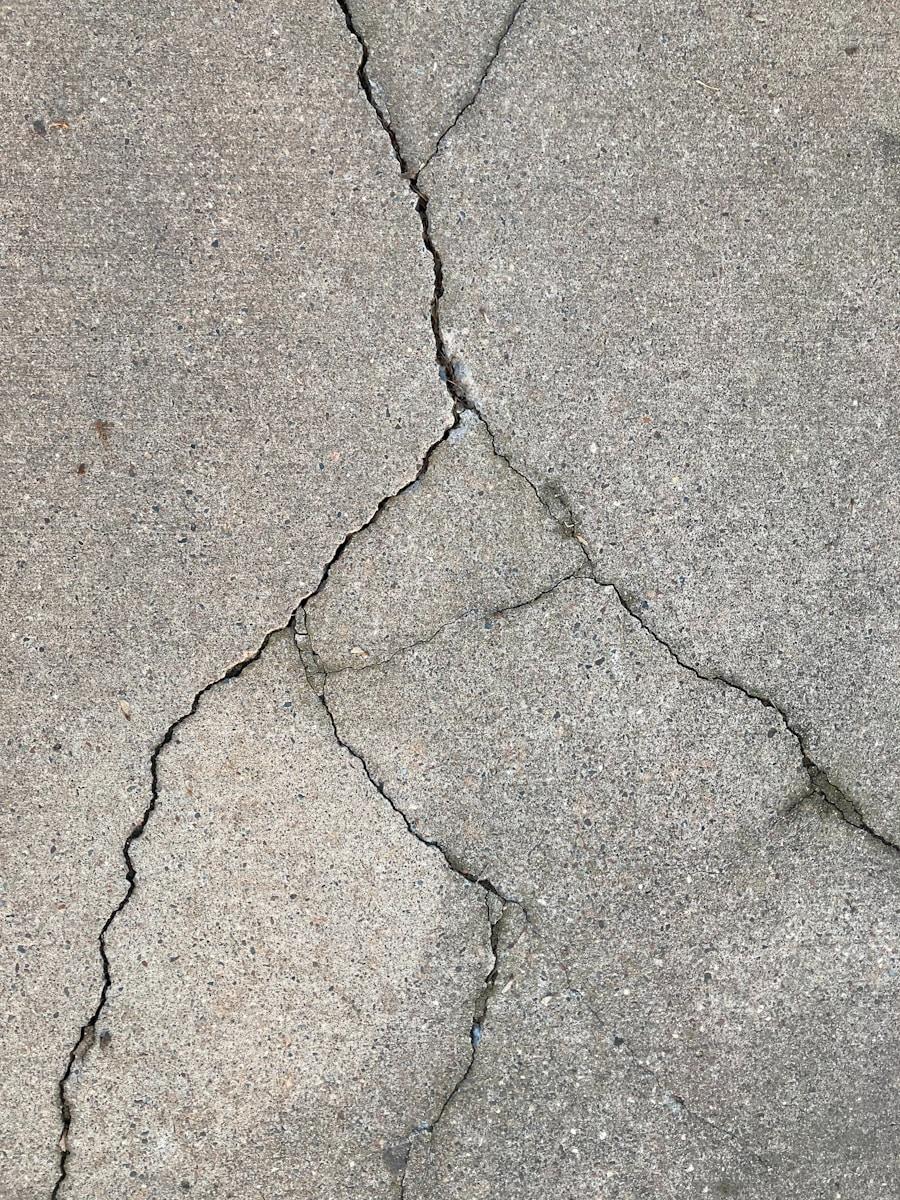
Your walls have cracked and you’re trying to determine what caused them. Whether you’re in Preston, Blackburn, or anywhere across Lancashire, understanding the difference between normal building movement and genuine subsidence helps you respond appropriately without panicking or ignoring real problems.
Not all cracks mean subsidence, but subsidence always means cracks.
Defining Movement Cracks
Movement cracks result from normal building behaviour. All buildings move. Materials expand in heat and contract in cold. Timber dries and shrinks. Plaster cures and settles. These natural processes create cracks that look concerning but don’t indicate structural failure.
New builds develop movement cracks during their first two years. Materials shed construction moisture. Foundations compress slightly under load. Timber frames adjust. These settling cracks should stabilise and rarely worsen after initial appearance.
Seasonal movement creates cracks that open and close cyclically. Summer heat expands materials. Winter cold contracts them. Annual cycling produces cracks at stress points that widen in winter and narrow in summer.
Thermal movement affects long walls without expansion joints. Buildings expand and contract with temperature. Long uninterrupted walls can’t accommodate movement and crack at weak points. These cracks typically run vertically at regular intervals.
Defining Subsidence
Subsidence means ground beneath foundations sinks. The foundation drops into resulting voids or settles into weakened soil. This downward movement creates specific crack patterns distinct from normal movement.
Progressive worsening characterises subsidence cracks. They start small and gradually widen. Movement cracks often appear then stabilise. Subsidence cracks continue expanding as ground conditions deteriorate.
Asymmetric settlement creates subsidence’s distinctive diagonal pattern. One area drops whilst another remains stable. This differential movement generates angled stress through walls. Movement cracks typically run vertically at stress points.
Width and Pattern Differences
Movement cracks rarely exceed 3mm width. They represent stress relief at weak points. The stress isn’t severe enough to create wide cracks through structural masonry.
Subsidence cracks commonly exceed 5mm. The foundation movement creates substantial stress through walls. Cracks must open wider to accommodate the greater displacement.
Movement cracks maintain consistent width along their length. They might appear at multiple locations across walls, but individual cracks don’t taper significantly.
Subsidence cracks taper noticeably. They start narrow at one end and progressively widen toward the other. This characteristic tapering immediately suggests differential settlement rather than normal movement.
Location Patterns
Movement cracks concentrate at junctions. You’ll find them where different materials meet, around openings, and at changes in wall height or thickness. These locations represent natural stress concentrations.
Subsidence cracks radiate from problem sources. If tree roots caused subsidence, cracks concentrate nearest that tree. Drain leaks create cracks near affected drains. The spatial correlation between crack location and underground problems helps identify causes.
Lancashire Building Characteristics
Victorian properties throughout Preston and Lancaster show movement cracks from lime mortar deterioration. This softer mortar accommodates movement better than modern cement mortars but cracks more readily as it ages.
Former industrial buildings in Burnley converted to residential use often show movement cracks from altered loading. Removing heavy machinery and adding residential floors changes stress patterns. Walls adjust, creating cracks.
New developments around Preston on clay soil experience both movement cracks during initial settling and potential subsidence from clay shrinkage. Distinguishing between them requires monitoring over several seasons.
Post-war properties in Blackburn might show movement cracks from inadequate wall ties. Corroded ties allow outer brick leaves to move independently. The resulting bulging and cracking looks alarming but stems from wall construction rather than foundation problems.
Testing Which Type You Have
Monitor crack progression over six months minimum. Movement cracks typically stabilise quickly. Subsidence cracks continue widening as ground conditions deteriorate.
Install tell-tales across concerning cracks. These monitoring devices crack if movement continues. Tell-tales remaining intact suggest movement has stopped. Broken tell-tales indicate ongoing problems possibly from subsidence.
Check seasonal patterns. Measure crack widths monthly across a full year. Movement cracks from thermal cycling show predictable seasonal variation. Subsidence cracks progressively worsen despite seasonal fluctuations.
Look for associated symptoms. Movement cracks rarely come with sticky doors, sloping floors, or window problems. Subsidence typically creates multiple symptoms simultaneously.
Floor Level Implications
Level floors suggest movement cracks rather than subsidence. If walls show cracks but floors remain level in all directions, foundation settlement hasn’t occurred. The cracks probably represent normal movement.
Sloping floors accompanying wall cracks strongly suggest subsidence. Foundation settlement tilts floors toward dropped areas. This correlation between wall cracks and floor slopes confirms ground movement.
Measure systematically with spirit levels. Check floors in multiple directions throughout your home. Drops exceeding 10mm over 2 metres indicate structural settlement rather than simple movement.
Crack Reappearance After Repairs
Movement cracks might reappear once after filling. The initial repair constrains movement that needs to occur. The crack reopens to accommodate necessary movement then stabilises.
Subsidence cracks reappear repeatedly. Fill them and they reopen within weeks or months. This persistent reopening indicates ongoing foundation movement that cosmetic repairs can’t address.
Count repair cycles. Cracks repaired once that remain stable probably represented movement. Cracks repaired three or four times that keep reopening almost certainly indicate subsidence.
Door and Window Behaviour
Movement cracks rarely affect door and window operation. These openings continue functioning normally even when walls show cracks. The movement creating cracks doesn’t substantially distort frames.
Subsidence creates sticky doors and windows. Frame distortion accompanies foundation settlement. Doors that previously closed easily now catch. Windows become difficult to open as frames rack out of square.
Test all doors and windows systematically. If several show problems whilst others work perfectly, check if problematic ones cluster near wall cracks. This spatial correlation suggests subsidence rather than movement.
External Ground Indicators
Normal movement doesn’t affect external ground levels. Paving remains stable. Soil levels stay constant. Gardens show no changes related to cracking.
Subsidence often shows external evidence. Ground levels drop near affected walls. Paving cracks or tilts. Drainage gullies sit proud of surrounding ground as soil settles away beneath.
Inspect perimeters thoroughly. Look for correlations between internal cracks and external ground changes. These connections help distinguish subsidence from movement.
Age-Related Considerations
Newly built properties almost always show movement cracks. First two years see materials adjusting to service conditions. Unless cracks exceed 5mm or show other subsidence indicators, assume normal settling.
Old properties showing new cracks need careful assessment. Buildings over 50 years old have completed normal settling. New cracks might indicate subsidence or other problems developing.
Soil and Tree Factors
Properties on clay soil during drought might experience subsidence rather than movement. Clay shrinkage from tree roots or weather creates foundation settlement. Summer crack appearance on clay suggests subsidence rather than movement.
Properties on rock or stable soils probably show movement cracks rather than subsidence. These ground types rarely experience the bearing capacity changes that cause subsidence.
Large trees within 20 metres on clay soil increase subsidence likelihood. Cracks appearing nearest these trees probably indicate subsidence from root-induced clay desiccation.
Insurance Implications
Movement cracks don’t trigger insurance coverage. These represent normal building behaviour or maintenance issues. Insurers won’t pay for repairing cracks from thermal movement or normal settling.
Subsidence cracks should activate insurance coverage. Policies include ground movement clauses protecting against foundation settlement. Proving subsidence rather than movement becomes crucial for successful claims.
Document everything thoroughly. Photographs, measurements, and monitoring logs help insurers’ engineers determine if cracks indicate subsidence or movement.
Professional Assessment Value
Structural engineers distinguish between movement and subsidence definitively. They assess crack patterns, measure levels, check foundations, and test soil conditions. This comprehensive approach identifies causes accurately.
Engineers’ reports satisfy insurance requirements. Homeowner assertions about subsidence don’t convince insurers. Professional engineering evidence provides credibility necessary for claims success.
Assessment costs £750-1,500 typically. This investment prevents expensive mistakes. Treating movement cracks as subsidence wastes tens of thousands. Ignoring subsidence as movement allows damage to worsen dramatically.
When Movement Becomes Subsidence
Some movement eventually indicates subsidence. Extensive cracking from settling new builds might suggest foundations were inadequate. The line between acceptable movement and problematic settlement blurs in these cases.
Progressive worsening transforms movement into structural concern. Cracks that initially seemed like normal movement but continue expanding over years need investigation. The ongoing nature suggests underlying problems beyond simple adjustment.
Making the Determination
Consider crack characteristics. Diagonal tapering cracks suggest subsidence. Vertical consistent-width cracks indicate movement.
Assess progression. Static cracks represent movement. Expanding cracks suggest subsidence.
Check associated symptoms. Multiple problems point to subsidence. Isolated cracks without other issues probably represent movement.
Evaluate context. Clay soil, large trees, old drains, and drought conditions increase subsidence likelihood. Stable soils, no trees, and new drainage suggest movement.
Monitor systematically. Six to twelve months of documented observation reveals patterns that single assessments miss.
Seek professional input for uncertainty. The cost of wrong decisions far exceeds engineering fees.